Strengthening energy resilience amid global uncertainty
Richten Energy 185
Strengthening energy resilience amid global uncertainty
Rising geopolitical tensions and supply chain disruptions have led to increasing volatility in global energy markets. For regions heavily reliant on imported energy, these fluctuations highlight not only cost challenges, but also the need for greater energy resilience.
Richten Energy emphasizes that stable power supply can no longer depend solely on centralized systems. Instead, resilience must be built through distributed energy systems, energy storage, and island-capable operations, enabling risks to be managed proactively at the building and site level.
A practical approach to resilient energy systems
Richten Energy proposes an integrated strategy centered on colored PV solutions, energy efficiency, and system flexibility. The approach focuses on three key directions:
1. Improving energy efficiency as a foundation
Reducing energy demand is the first step toward building energy resilience. By analyzing consumption patterns and optimizing high-demand systems such as HVAC and lighting, buildings can lower their baseline and peak loads. This makes the integration of renewable energy, including colored solar PV panels, more effective, practical, and manageable.
2. Expanding on-site generation with colored PV systems
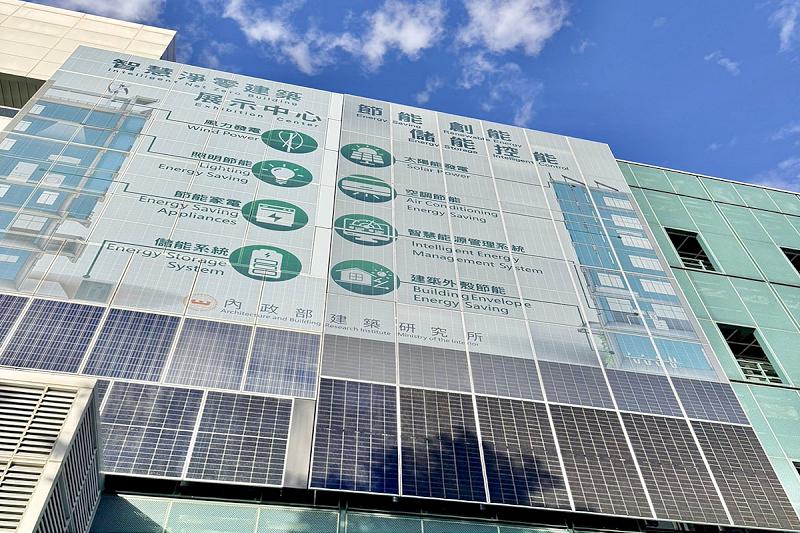
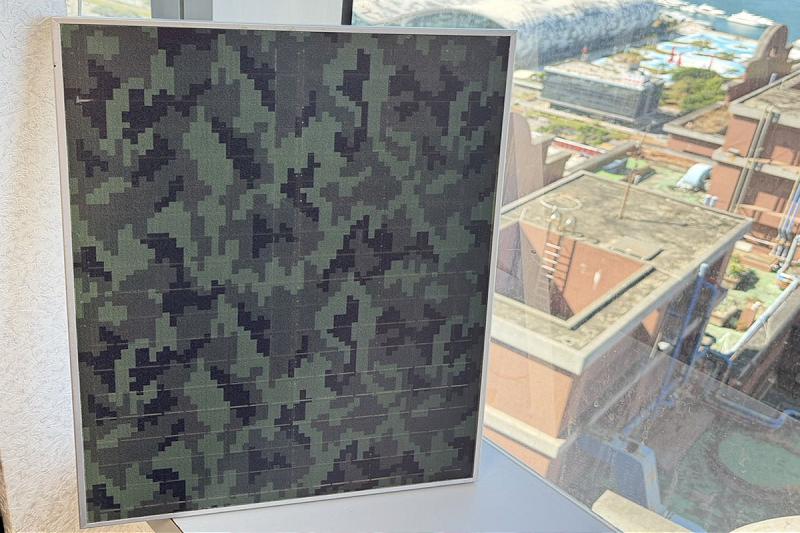
Buildings can serve as active energy assets. By applying colored PV coating technology to façades, shading structures, and external surfaces, colored PV systems enable on-site generation while maintaining visual consistency with the surrounding environment.
This approach increases self-consumption and reduces reliance on external energy sources, while supporting both functional and design considerations.
3. Enhancing resilience with storage and smart energy management
In critical scenarios, the priority is not only energy availability, but continuity of supply. Integrating battery energy storage systems (BESS) with energy management systems (EMS) allows for real-time monitoring, load control, and backup operation.
Key performance indicators such as backup duration, peak load reduction, and system response time can be used to evaluate resilience in measurable terms.
From concept to implementation
To support practical adoption, Richten Energy recommends a structured implementation framework:
Step 1 | Assessment and baseline
Establish energy consumption baselines and identify critical load requirementsStep 2 | System design and integration
Plan colored PV deployment alongside storage capacity and EMS strategiesStep 3 | Operation and validation
Verify system performance through peak shaving, load management, and backup testingStep 4 | Carbon accounting and reporting
Quantify emissions reductions and integrate results into sustainability reporting frameworks
Advancing resilient energy solutions
As energy systems become increasingly exposed to global uncertainty, resilience and sustainability must be addressed together. By integrating colored PV solutions, energy storage, and intelligent management systems, Richten Energy continues to develop scalable solutions that support both energy transition and operational reliability.
The company is actively seeking collaboration opportunities with public and private sectors to implement demonstration projects, with a focus on public infrastructure, critical facilities, and environments requiring adaptive design solutions.
(The share action will open in a new window.)