From the Vatican to Pompeii: Balancing Cultural Preservation with the Green Energy Transition
Richten Energy 331
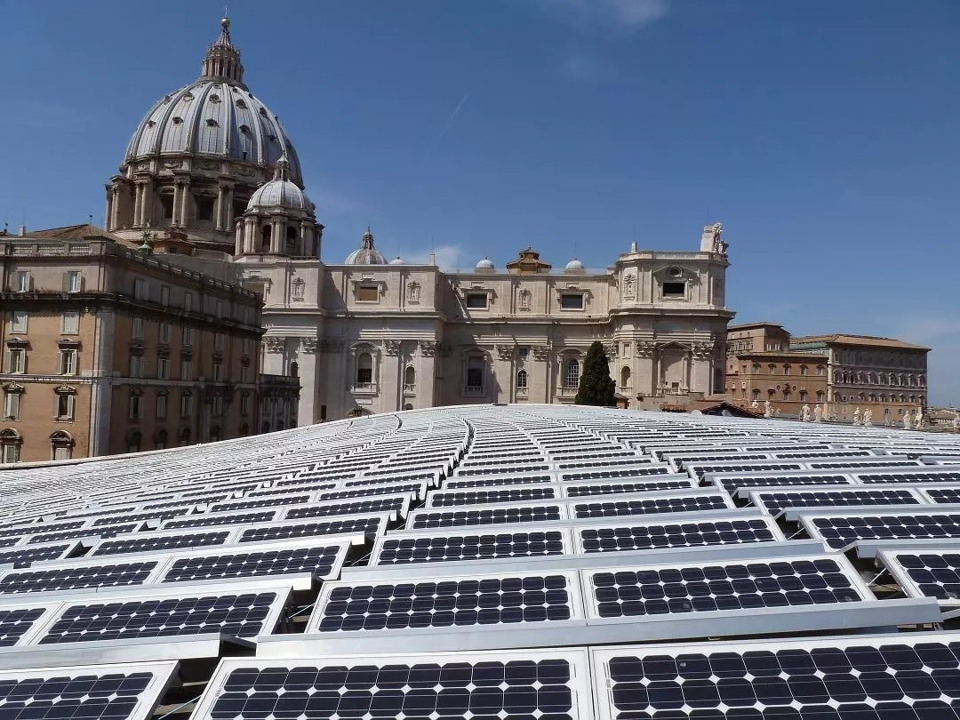
The Tension Between Heritage Preservation and Climate Action
Across Europe, the climate crisis and rising energy costs are prompting historic landmarks to explore solar energy. But installing modern solar panels on centuries-old structures has also sparked a heated debate between cultural preservationists and environmental activists. At the center of the dispute is whether renewable energy projects could compromise the “authenticity and integrity” of world heritage sites.
Solar Projects at York Minster and King’s College Chapel
According to Euronews, York City Council approved a proposal in 2023 to install 199 solar panels on the roof of York Minster. The system is expected to generate 75,000 kWh of clean electricity each year and will be paired with energy storage to help power the cathedral’s evening services.
A similar effort is underway at King’s College Chapel at the University of Cambridge, where more than 400 solar panels are being installed. The system is expected to supply about 5.5% of the college’s total electricity demand.
Supporters see these projects as important steps toward sustainability. However, organizations such as Historic England have raised concerns, arguing that highly reflective solar panels may clash with Gothic architecture and diminish the historic character of these landmark buildings.
Innovative Solutions: “Invisible Solar Panels”
To find a middle ground, innovators have developed “invisible solar panels” designed to mimic traditional building materials, such as terracotta roof tiles and aged stone.
This technology has already been successfully deployed at the Archaeological Park of Pompeii, where the panels blend seamlessly into the ancient ruins while generating electricity. By preserving the site’s historic silhouette, the system provides renewable energy without visibly altering the appearance of the heritage site.
A New Path Forward for Historic Cities
This “invisible” solar technology is gaining momentum across Europe. Future installations are planned for the MAXXI Museum in Rome and the historic district of Évora in Portugal, a UNESCO World Heritage site.
By replicating traditional textures and colors, these panels show that it is possible to pursue net-zero goals while respecting the aesthetic and historical value of the past. For historic cities and heritage sites facing rising energy costs and growing pressure to decarbonize, the technology offers a practical path toward sustainability without sacrificing architectural identity.
(The share action will open in a new window.)