From Awards to Orders: Richten Energy Targets the Net-Zero Building Export Market Following Meeting with Vice President Hsiao
Richten Energy 134
(By JNEWS)
An award can raise a company’s profile. But the real test of internationalisation is whether that recognition can be converted into market access, demonstration sites and orders.
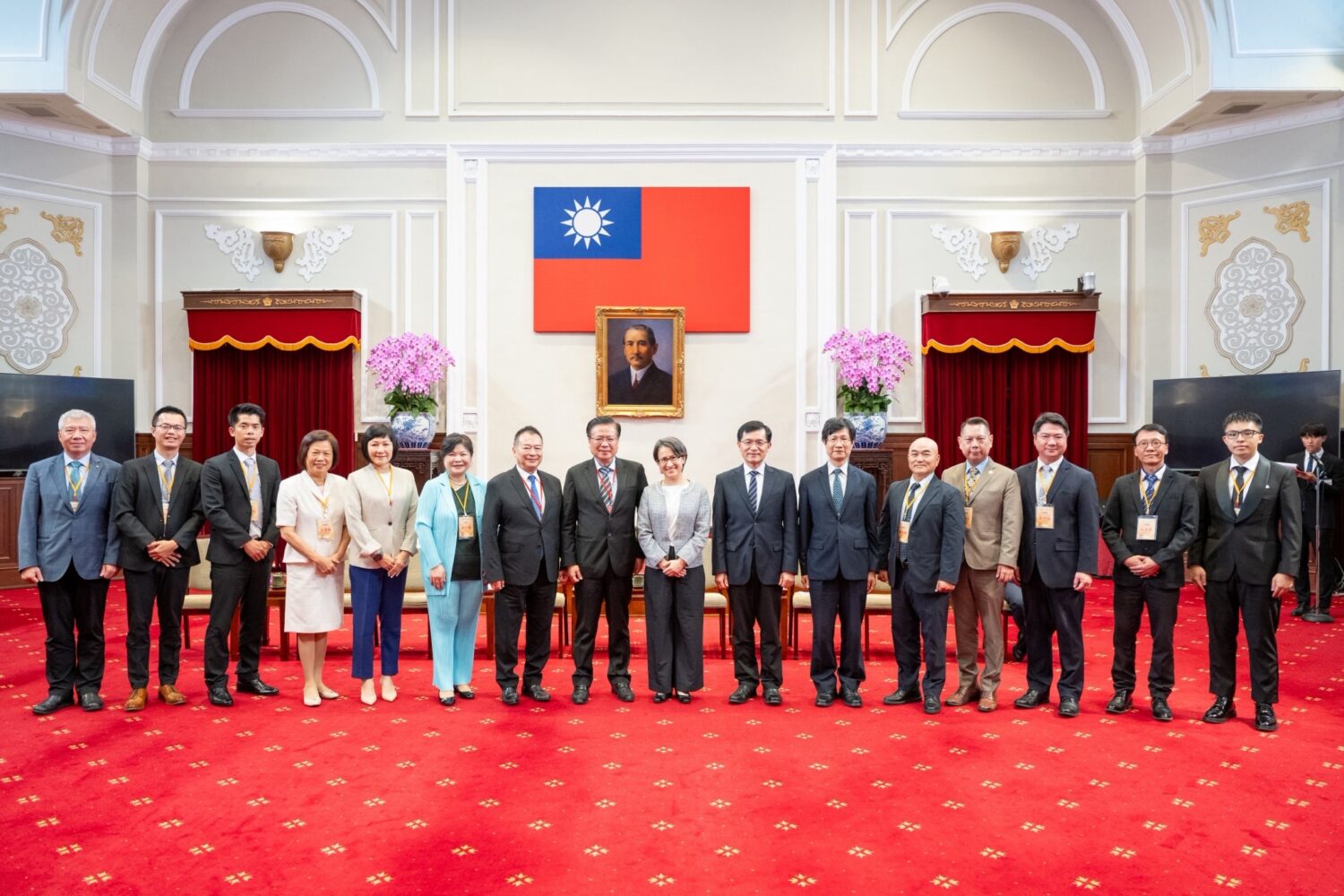
Vice President Bi-khim Hsiao met representatives of 33 winning companies from the 8th Golden Ship Award on 12 August. She praised the General Chamber of Commerce of the Republic of China for its longstanding role as an important bridge between government and industry, while echoing Chairman Shu-Po Hsu’s call for “Taiwanese helping Taiwanese businesses go global”. She expressed hope that traditional industries, service businesses and small and medium-sized enterprises would all have fair opportunities to expand internationally. 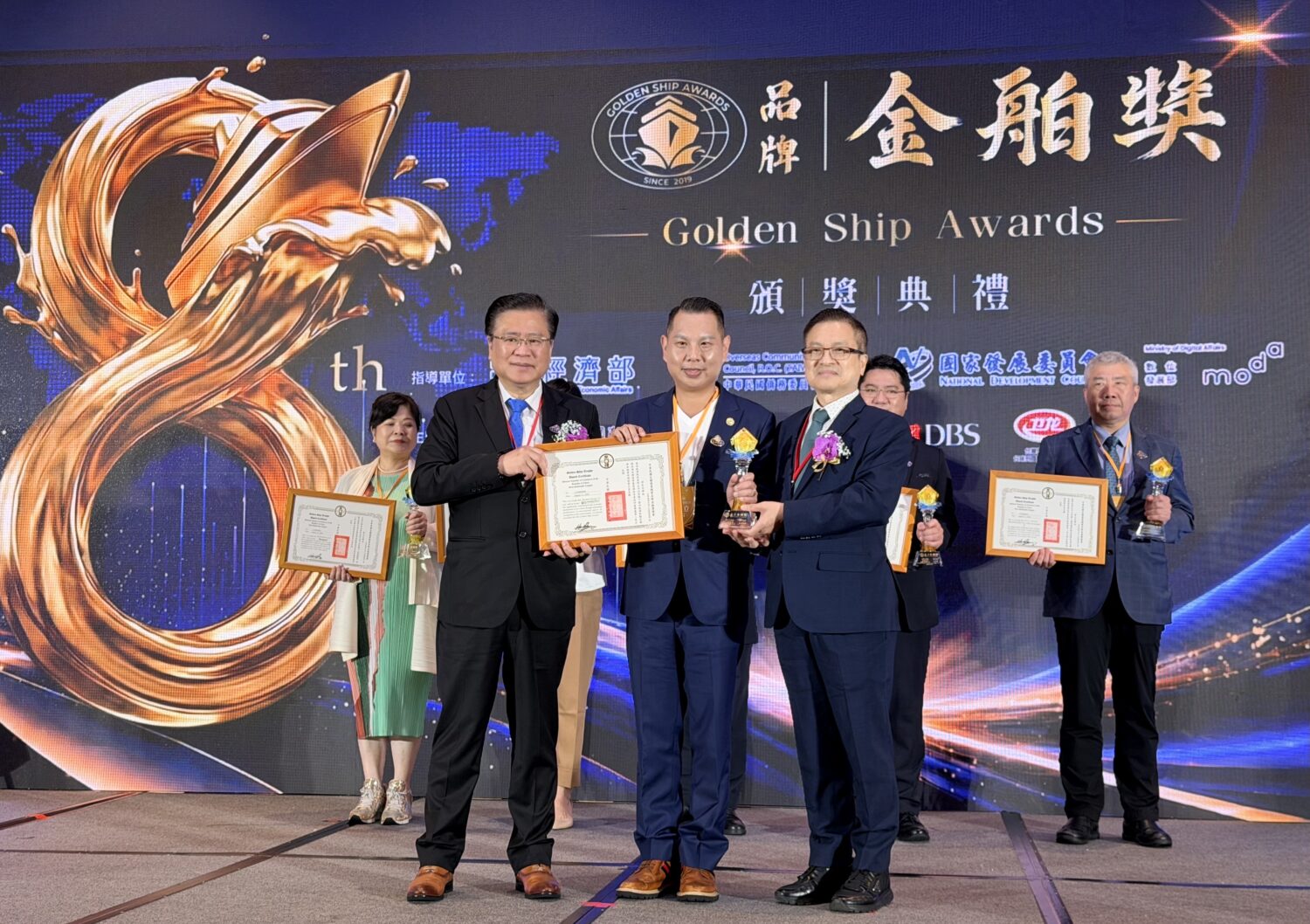
The meeting also sent a broader signal to industry: the Golden Ship Award is gradually evolving from a platform for corporate recognition into one that connects policy, distribution channels, capital and overseas markets.
Hsu Mobilises Overseas Taiwanese Business Networks to Bridge the Final Mile into International Markets
Hsu has recently promoted a memorandum of understanding between the General Chamber of Commerce of the Republic of China and the Taiwanese business community in Japan, with plans to connect Taiwanese business networks across Asia and the wider world.
The aim is to bring together overseas chambers of commerce, international buyers, distribution channels, capital and local partners.
The significance of this strategy goes beyond taking Taiwanese companies to overseas exhibitions. It is designed to reduce the cost of building trust and the barriers to entering unfamiliar markets for SMEs, transforming overseas Taiwanese business networks from sources of contacts into demonstration sites, sales channels and partnership hubs for Taiwanese brands.
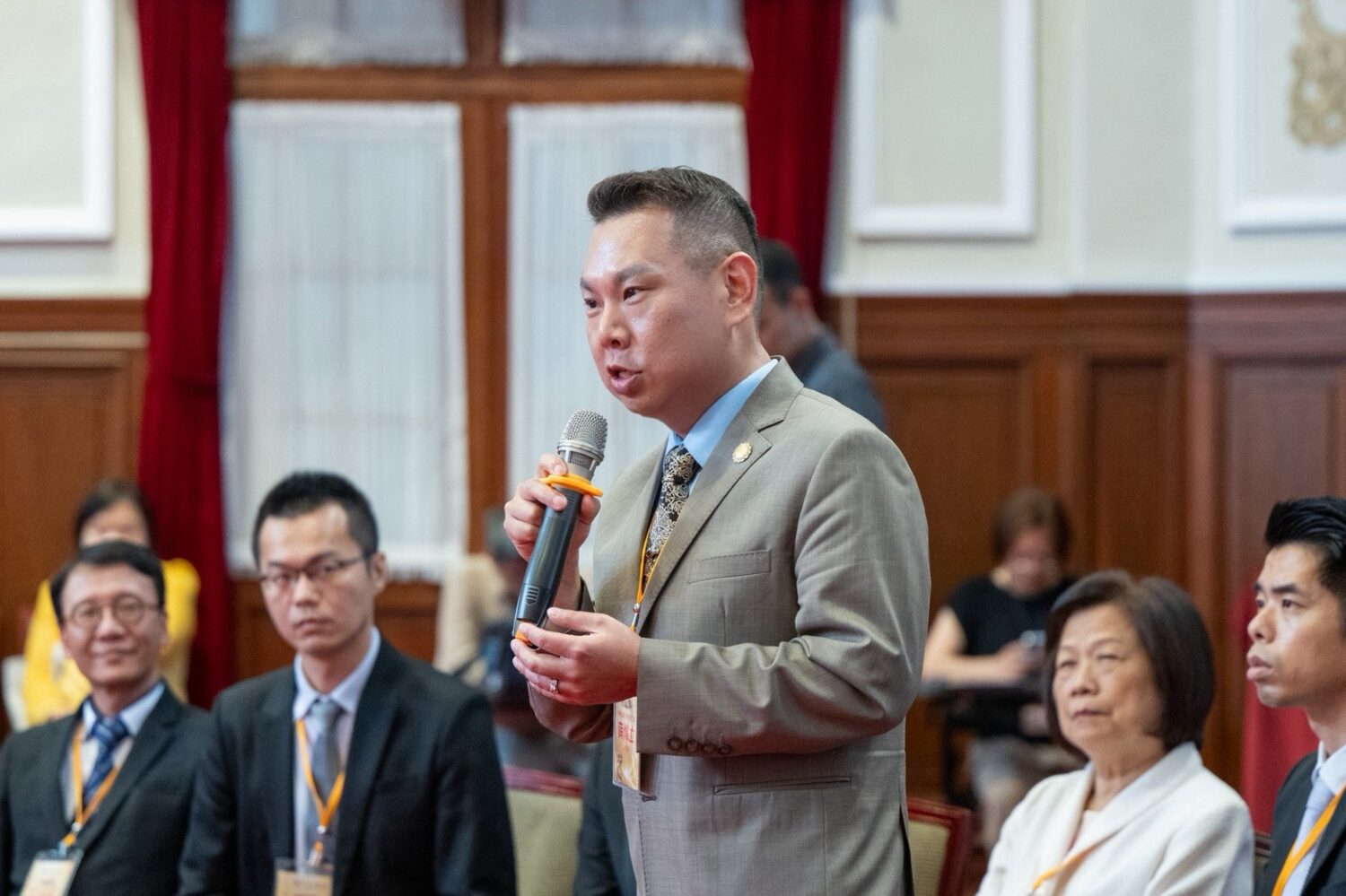
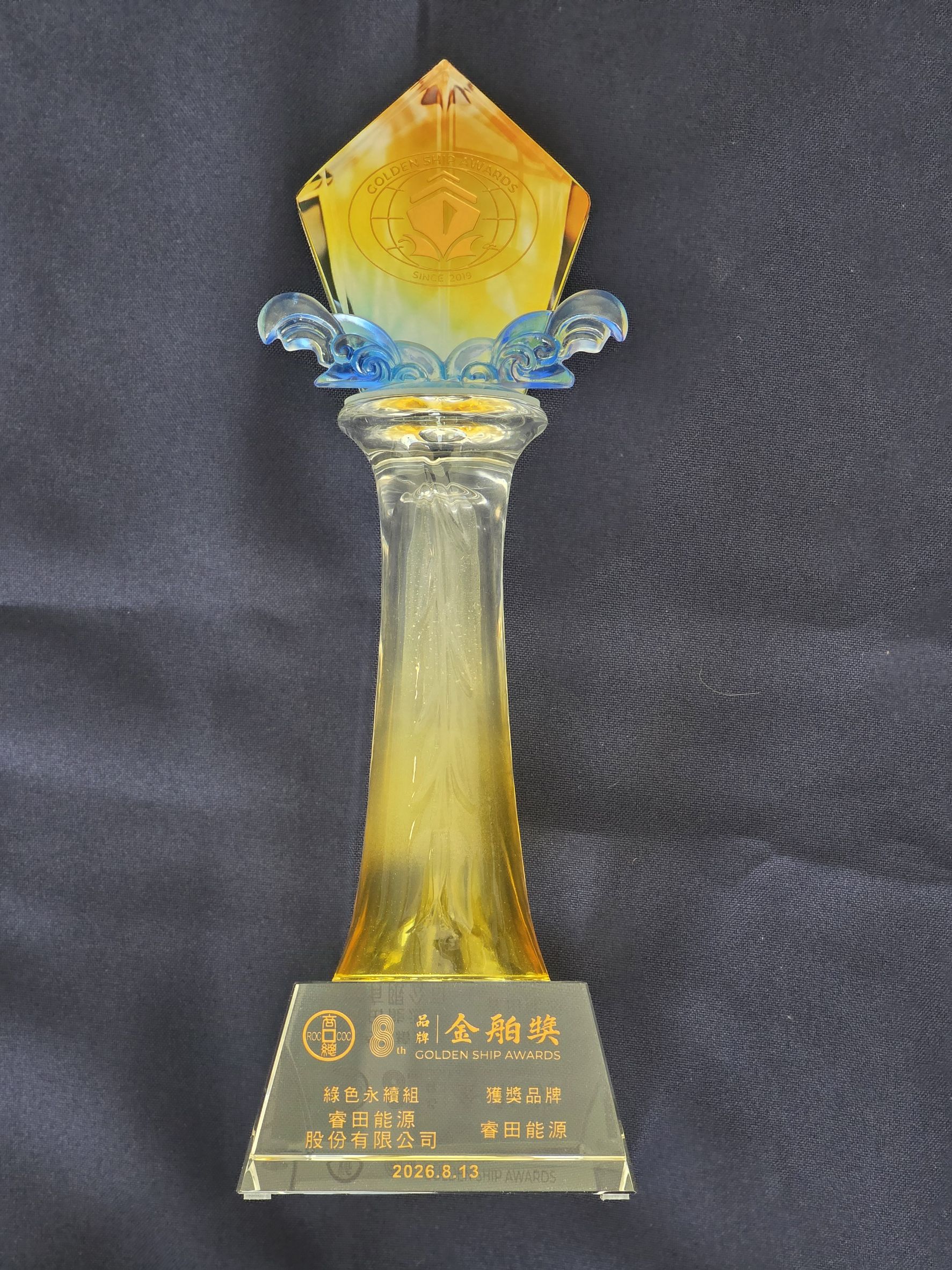
Weili Hsueh, Founder and Chief Executive Officer of Richten Energy, whose company won this year’s Golden Ship Award in the Green Sustainability category, said Hsu’s most important contribution has been to turn a common challenge facing companies seeking international expansion into a platform that can work in practice.
“What Taiwanese SMEs often lack is not products or technology, but the first site willing to adopt them and the first trusted route into an overseas market. Chairman Hsu is connecting overseas Taiwanese businesses, international buyers, policy resources and industry platforms, helping companies move from being seen to being adopted and ultimately purchased.”
Two Awards in Three Years: Hsueh Moves from Award Winner to Industry Platform Builder
In 2023, a company led by Hsueh, JOIN IT Sustainable Tech.Co.,, was recognised in the Service Innovation category of the 5th Golden Ship Award for its cross-brand resource integration, digital platform and ESG service model.
This year, Richten Energy received the 8th Golden Ship Award in the Green Sustainability category.
The two businesses operate in apparently different fields — digital services and green energy — but share much the same commercial logic: bringing together fragmented, idle or underused technologies, sites and market resources to create business models that can be procured, accepted, maintained and scaled.
Hsueh also previously served as the inaugural chairman of the Golden Ship Award alumni association. During his tenure, he promoted the concept of “deliverable sustainability”, bringing together professional resources from the General Chamber of Commerce, Taipei Exchange (TPEx) and KPMG to help award-winning companies better understand corporate governance, capital markets and growth pathways.
The aim was to turn a list of award winners into a wider network for business collaboration.
“The first time I won the award, the Chamber’s platform gave the company an opportunity to be seen. After becoming the inaugural chairman, I came to understand that the chairman’s role is not to stand at the centre of the stage, but to build a bigger stage for more companies.
“Winning again this time, what matters to me is not adding another trophy. What matters is whether we can turn the brand, capital and distribution resources behind the award into a collective force that helps Taiwanese industries expand overseas.”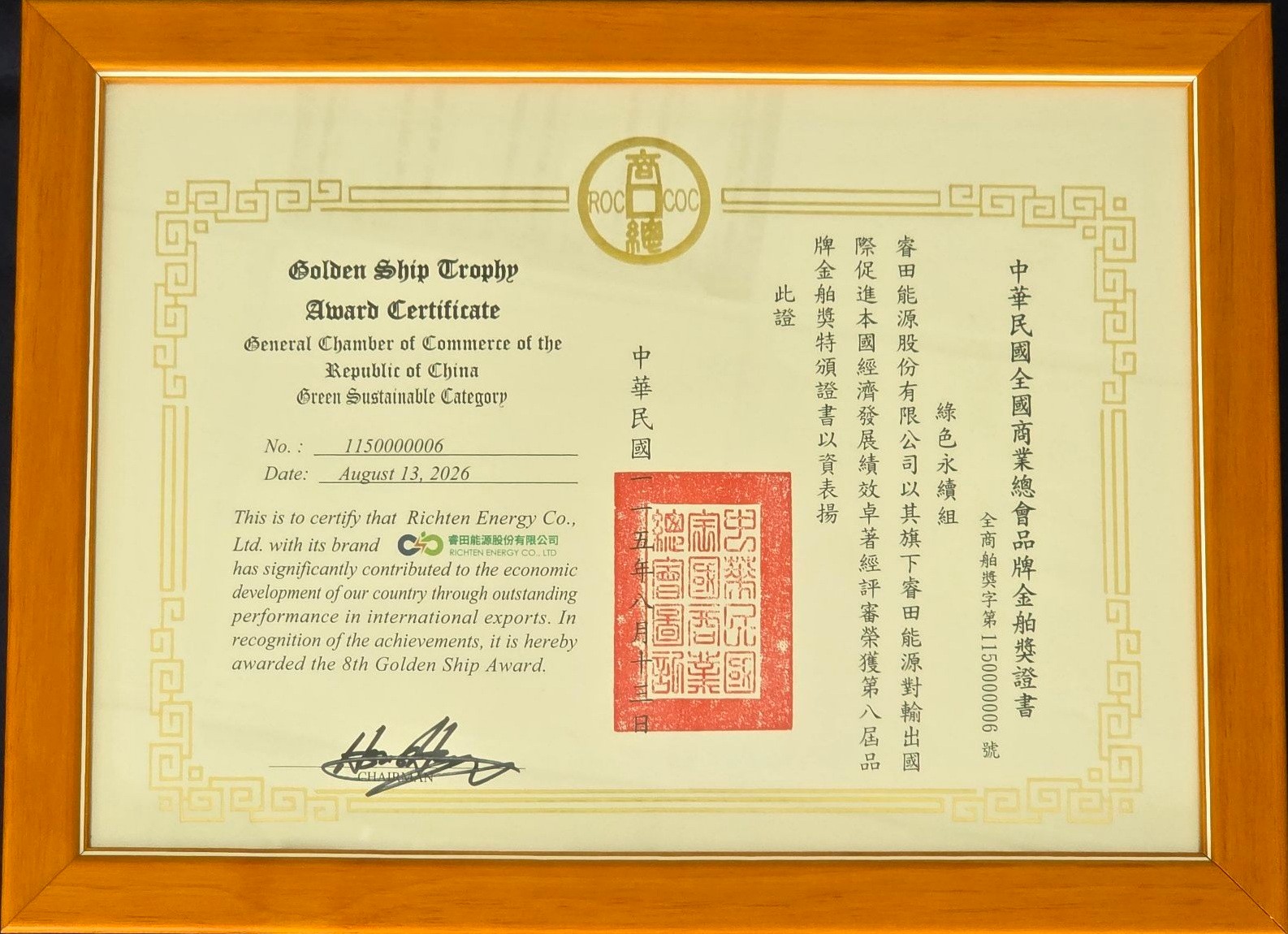
Investors Want More Than Technology — They Want Standardisation and Replicability
For investors and financial markets, the key question surrounding green technology is not simply whether a product is innovative.
They also want to know whether the technology can be quantitatively validated, projects can be standardised, and demonstration sites can be replicated into a recurring stream of orders.
Richten Energy’s market positioning is therefore not simply about making solar panels colourful.
Its platform brings together architectural design, engineering safety, power-generation monitoring, energy management, ongoing operations and maintenance, and ESG data, creating an energy-façade system that can be procured, accepted, monitored, maintained and reported.
Its commercial value lies in transforming previously underused building façades into energy assets that combine power generation, energy efficiency, carbon reduction, design and brand communication.
The business can therefore extend beyond supplying a single material into building-energy integration and data services.
Richten has now completed two demonstration phases at the Materials Experiment Center of the Architecture and Building Research Institute (ABRI), Ministry of the Interior, with a combined installed capacity of 35.90 kWp.
Together with third-party testing, structural validation, energy storage and an energy management system, these projects have created a comprehensive evidence base covering everything from materials and installation methods to actual power-generation performance.
The significance of this validation goes beyond proving that a building façade can generate electricity.
It provides a common basis on which government procurement authorities, architects, professional engineers, building owners and investors can assess safety, performance and long-term responsibilities — reducing the risks of wider market adoption and international replication.
Policy Focus Shifts towards the Full Building Life Cycle, Expanding the Net-Zero Building Market
On Taiwan’s net-zero building and urban-energy policies, Hsueh has put forward four recommendations.
These include establishing an inter-agency coordination mechanism linking building, energy, environmental, urban-design and local-government authorities; improving systems for solar-glare simulation, measurement and mitigation; incorporating power generation, energy savings, renovation, renewable-energy certificates and building value enhancement into whole-life-cycle assessments; and promoting distributed solar combined with energy storage and critical loads at schools, medical facilities, shelters and local emergency-response centres.
Hsueh said extending the life of ageing buildings cannot simply mean repairing exterior walls, just as the net-zero transition cannot be measured solely by installed capacity.
For urban solar to become a sustainable long-term market, the industry must simultaneously address safety, aesthetics, glare, energy management, maintenance responsibilities and public communication.
As the relevant regulatory framework matures, the building-solar market could expand beyond individual equipment purchases into building renovation, energy management, storage, operations and maintenance, and ESG data services, creating a broader industry value chain.
‘One Industry, One Site’: Overseas Taiwanese Businesses Could Become the First Customers for Taiwanese Solutions
Building on Hsu’s efforts to connect Taiwanese business networks around the world, Hsueh has proposed a new industry co-creation model: “One Industry, One Site.”
Under the model, businesses in hospitality, retail, food and beverage, logistics, tourism factories, cultural venues and manufacturing would provide real-world sites and operational requirements.
Companies specialising in energy, architecture, digital technology, design, finance and ESG services would then work together to develop integrated solutions.
Once those solutions have been validated at sites in Taiwan, global Taiwanese business networks could be used to connect them with overseas demonstration sites, international buyers and local partners.
The model could help Taiwanese companies move from exporting individual products towards exporting complete solutions.
At the same time, overseas Taiwanese businesses could evolve from distribution partners into some of the first users and market-validation partners for Taiwanese innovation.
Richten Energy said it is prepared to contribute its capabilities in net-zero buildings, solar-façade solutions for extending the life of ageing buildings, energy management and ESG data, while forming export teams with companies in architecture, design, finance and digital services.
“What the global market often needs is not ten unrelated Taiwanese products, but an integrated Taiwanese solution — one that can be delivered and accepted, adapted to the local market and operated over the long term.
“Chairman Hsu is building the road for companies to go global. The next step is for companies themselves to provide a growth proposition that the world is willing to adopt and that capital markets can understand.”
An award can generate attention. But only when brands, technology, capital, distribution channels and overseas demonstration sites are connected can that attention be converted into orders and revenue.
The next stage of competition surrounding the Golden Ship Award will therefore be about more than who receives recognition.
The real question will be who can turn technology into standards, demonstrations into orders, and Taiwan’s net-zero solutions into scalable export capabilities.
(The share action will open in a new window.)