As Oil Prices Swing, Richten Energy Calls for “Resilient Net-Zero Buildings” to Keep Power Running
Richten Energy 109
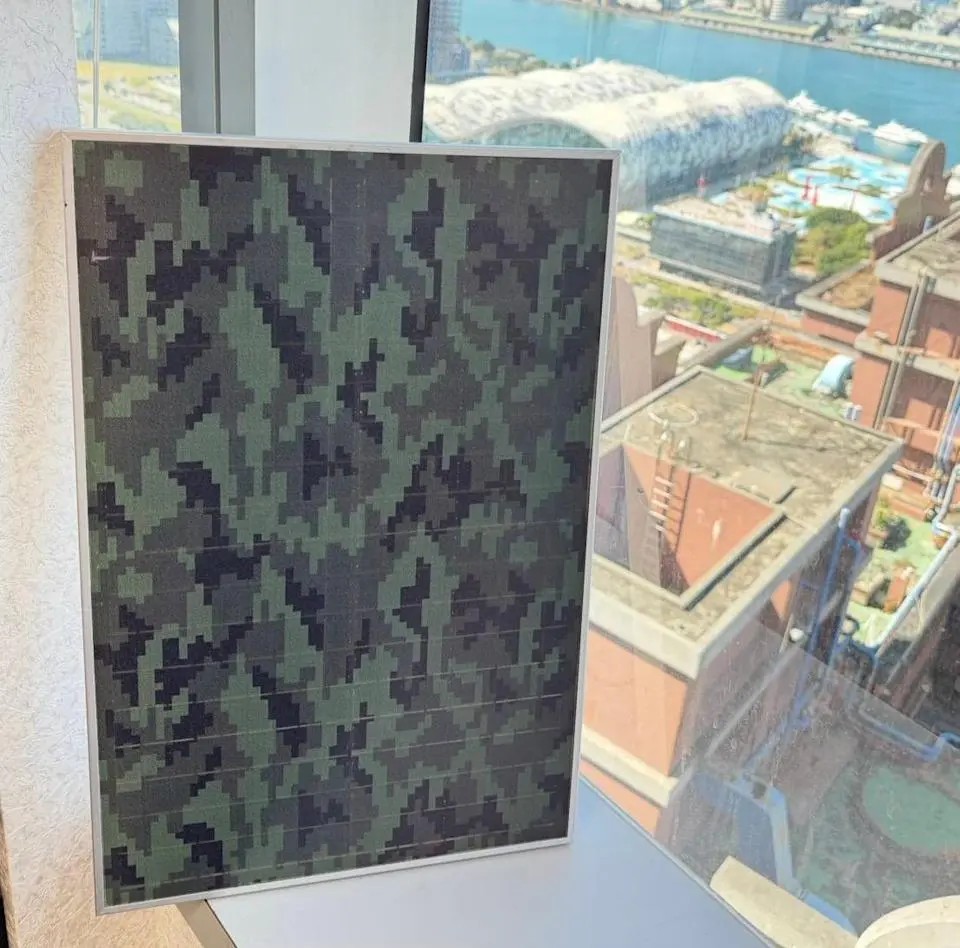
Image caption: A camouflage-style colored solar PV demonstration panel is shown against the skyline of a harbor city, symbolizing how future buildings can do more than provide space. They can also support energy security and operational resilience. By combining colored and camouflage-style solar PV façades with energy storage and energy management systems, Richten Energy aims to turn buildings into island-capable power nodes, creating a second line of energy defense for cities and critical facilities.
KAOHSIUNG, Taiwan — As tensions in the Middle East continue to heighten, global oil and gas prices and shipping risks are rising sharply, sending fresh volatility through energy markets. For Taiwan, which relies heavily on imported energy and still generates much of its electricity from coal and natural gas, the issue is no longer only about cost. It is also about resilience — the ability to keep homes, businesses and critical facilities operating when external energy risks escalate.
Richten Energy Co., Ltd. said stable power supply cannot be left to chance when energy prices move like a roller coaster. The company argues that distributed power systems, energy storage and island-capable operation must be deployed earlier at the building and site level, turning external risks into manageable capabilities.
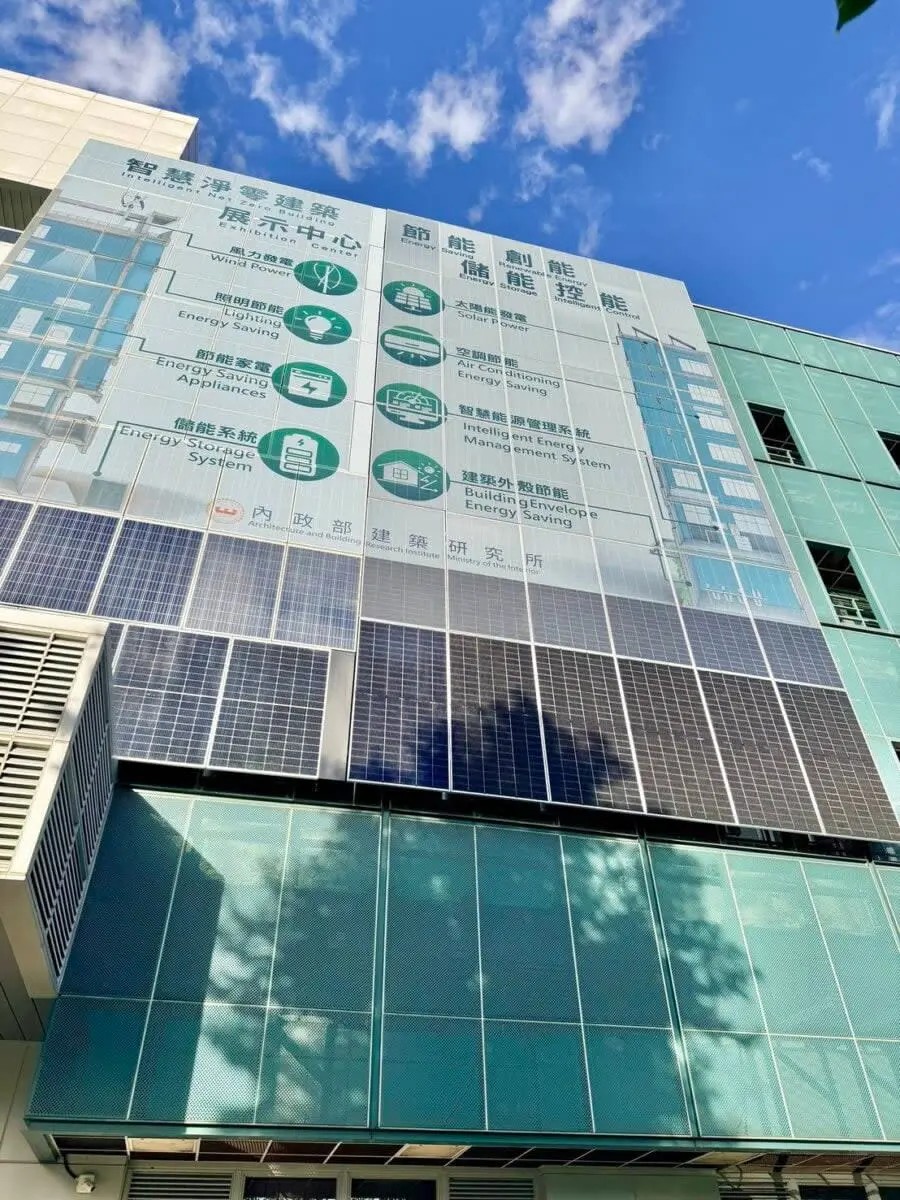
Image caption: At the demonstration site of the Materials Experiment Center under the Architecture and Building Research Institute, Ministry of the Interior, ROC (Taiwan), Richten Energy has completed an integrated façade solar PV application. As geopolitical risks continue to drive energy-market volatility, building-integrated solar PV and energy storage systems are becoming an important real-world pathway for improving urban power resilience and reducing dependence on external energy sources.
Richten Energy has long focused on applying colored solar PV to building façades. The company is now proposing a grid-resilience strategy centered on net-zero buildings while also addressing protective and security-related scenarios.
Through colored solar PV, solar generation can be integrated into building façades while maintaining visual harmony with the surrounding cityscape. Through camouflage-style solar PV, Richten Energy is also introducing a low-visibility design concept, helping sensitive sites develop more usable and controllable distributed power capabilities while meeting appearance and safety requirements.
Three Priorities: Turning Buildings Into Power Assets for National Resilience
Richten Energy has outlined three practical, verifiable and scalable directions for implementation.
1. Start with building energy efficiency before moving toward net zero
The first step is to assess energy consumption and diagnose how electricity is used within a building. Building energy-use intensity, or EUI, should be used to set clear improvement targets.
By replacing outdated equipment, optimizing HVAC and lighting systems, and shifting power use away from peak-demand periods, buildings can reduce their baseline load and peak pressure. This makes future renewable energy coverage more effective and easier to achieve.
2. Use colored solar PV façades to increase on-site generation and self-consumption
A building should not be seen only as a wall. It can also become an electricity-generating façade.
By integrating colored solar PV into exterior walls, canopies, shading structures and other architectural components, buildings can increase on-site power generation and self-consumption. This reduces reliance on external fuel supplies and centralized power systems while also preserving architectural aesthetics and design language.
3. Fill the resilience gap with energy storage, smart energy management and island-capable operation
In protective or emergency scenarios, the key question is not simply whether power exists. It is whether critical loads can continue operating without interruption.
Richten Energy proposes combining battery energy storage systems, or BESS, with energy management systems, or EMS, to create a backup architecture that is visible, dispatchable and testable. Resilience should be measured by specific indicators, such as backup duration for critical loads, switching time for island operation, and the effectiveness of peak shaving and valley filling.
The company said these indicators can turn resilience into a result that can be tested and accepted, rather than a slogan.
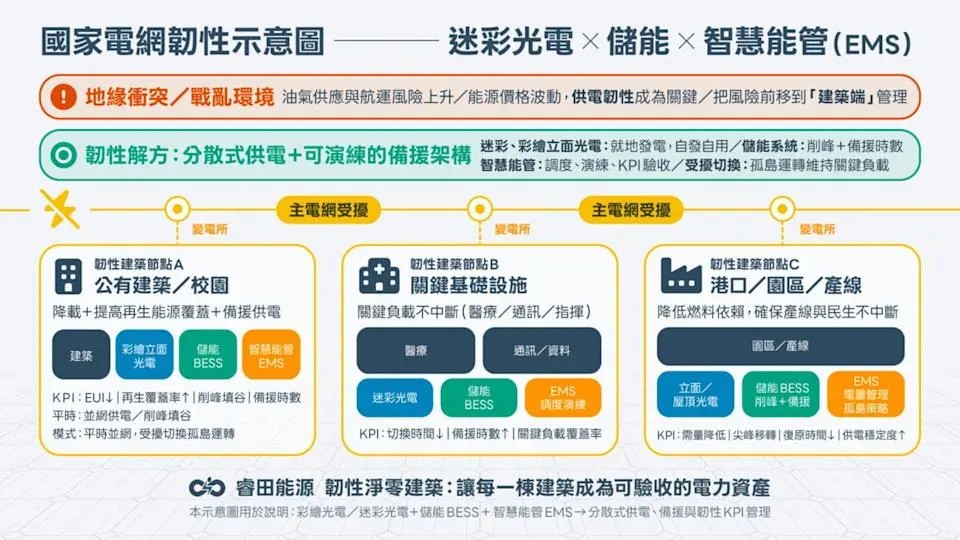
Image caption: Richten Energy’s proposed national grid-resilience framework shows how buildings can be upgraded into distributed, testable and verifiable power nodes. Facing volatility in global energy markets and supply-chain risks, camouflage-style solar PV façades, combined with energy storage and smart energy management systems, can help maintain critical-load operation when the main grid is disrupted, creating a second line of energy defense for cities and critical infrastructure.
Managing Carbon Reduction and Backup Power on One Dashboard
As building owners, public-sector buyers and investors increasingly demand systems that are measurable, comparable and auditable, Richten Energy recommends a four-step implementation framework.
First, buildings should establish an energy baseline, including EUI data, a list of critical loads and backup-power scenarios.
Second, project teams should design and integrate colored solar PV or camouflage-style solar PV façade layouts, together with the required energy storage capacity and EMS strategy.
Third, system performance should be verified through peak shaving, valley filling, demand management and island-operation drills, allowing resilience-related KPIs to be tested in practice.
Fourth, carbon accounting and disclosure should be conducted using internationally recognized principles, including Scope 2 emissions from purchased electricity. Carbon-reduction results and resilience results should then be included in the same management report, making it easier for policymakers, public agencies and capital markets to evaluate performance.
Public-Private Collaboration Can Turn Demonstrations Into National Capability
“Energy security and the net-zero transition are essentially the same issue,” said Richten Energy Chief Executive Officer Hsueh Wei-li. “Both are about reducing uncontrollable risks and increasing controllable capabilities.”
Hsueh said Taiwan needs to move resilience closer to buildings and operating sites as geopolitical conflict drives volatility in prices and supply chains.
“We look forward to working with central and local governments, as well as critical infrastructure operators, to launch demonstration projects,” he said. “By integrating colored solar PV, camouflage-style solar PV, energy storage and smart energy management into verifiable and replicable resilient-building solutions, we can make power supply for everyday life and critical missions more stable and secure.”
Richten Energy Seeks Demonstration Sites for Resilient-Building Projects
Richten Energy is now inviting public- and private-sector partners to join resilient-building demonstration projects, with priority given to three types of sites.
The first is public buildings, such as administrative centers, schools and sports arenas, where colored solar PV façades can be demonstrated.
The second is critical infrastructure, where energy storage and EMS can be used to test resilient backup power.
The third is private-sector sites that require low-visibility exterior design for security or appearance reasons, where camouflage-style solar PV and resilient power architecture can be introduced.
Richten Energy Co., Ltd. focuses on building-integrated solar PV applications and net-zero building energy integration. Through colored solar PV, camouflage-style solar PV, energy storage and smart energy management, the company aims to help sites achieve practical solutions that balance aesthetics, carbon reduction and resilience.
(Image courtesy of Richten Energy Co., Ltd.)
(The share action will open in a new window.)